
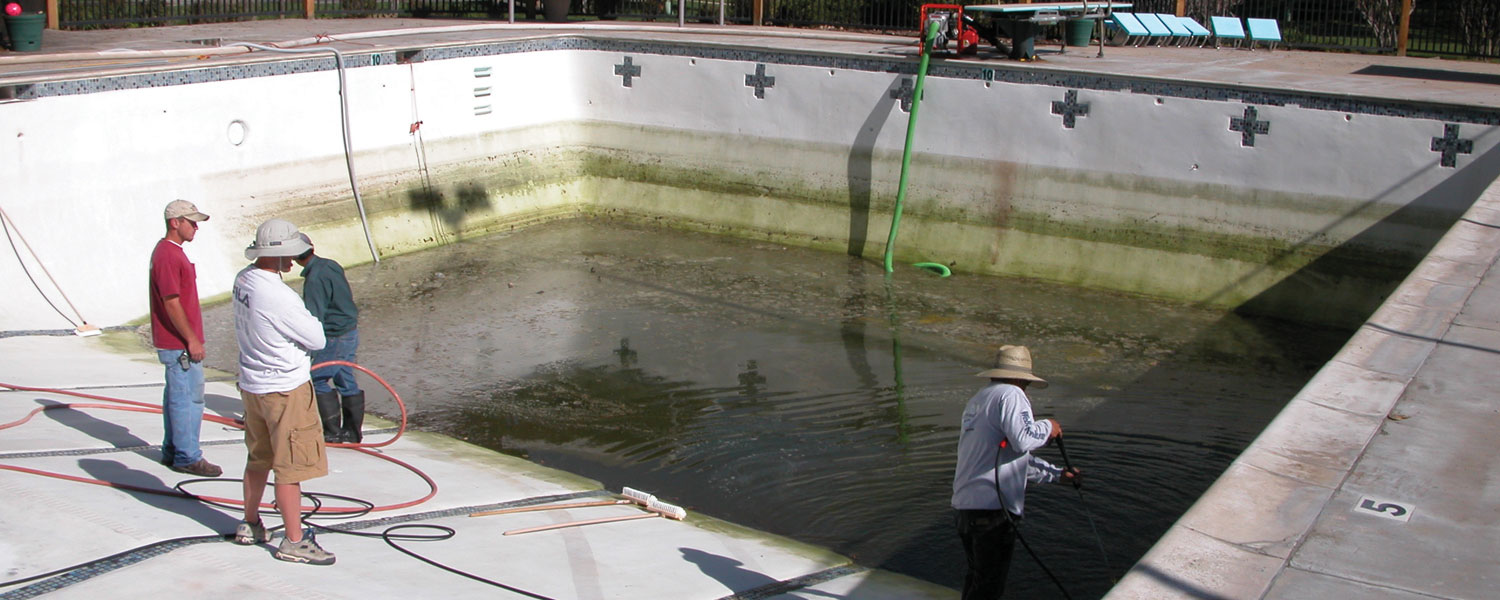
The Ultimate Guide to Acid-Washing Your Pool Using Acid Magic
Understanding when and how this method is necessary can be the difference between a pool that’s an eyesore and one that’s a centerpiece. Is your pool wall plagued by stubborn stains or isn’t looking its best even after regular cleaning? That’s when an acid wash might be in order.
In this guide to acid washing your pool with Acid Magic, we’ll walk you through the entire acid washing process, from recognizing the signs that it’s time for an acid wash to the steps of performing one safely and effectively. We will also discuss how to maintain the pristine condition of your pool post-acid wash, helping you ensure that the clear, inviting waters remain for years to come.
When to Acid Wash Your Pool
When to acid wash a swimming pool is a common question we get from pool owners. But like most answers, it depends. It’s a balancing act, and several factors contribute to the decision. Generally, acid washing is recommended every 3 to 5 years, depending on the pool size, usage, surrounding environmental factors, and how diligent your maintenance practices are.
The type of pool is also a consideration; plaster pools, for example, are more prone to staining and discoloration and may require more regular acid wash maintenance. However, because of the strong chemicals involved, the process of acid washing should only be performed by professionals.
| Swimming Pool Type | Recommended Acid Wash Frequency |
| Plaster Pools | Every 3-5 years or as needed for stubborn stains |
| Fiberglass Pools | Every 3-5 years |
| Tile Pools | As needed, based on staining and algae growth |
Signs Your Pool Needs Acid Washing
Being vigilant about the condition of your pool can help you determine when it’s time for an acid wash. Visible algae growth, presenting as green or slimy patches on the pool floor or walls, is a clear sign that regular cleaning isn’t enough, and an acid wash may be necessary.
Other signs that indicate the need for an acid wash include severe staining, especially if it cannot be removed with regular cleaning methods such as brushing or scrubbing. Stubborn mineral stains, like rust or calcium deposits, are often resistant to traditional cleaning methods and require the power of acid washing to eliminate them.
Steps to Acid Wash Your Pool
Acid washing a pool is an effective way to remove tough stains, algae, and mineral deposits. It’s critical to approach this task with precision, knowledge, and the right tools to ensure a successful outcome while maintaining safety for both the individual executing the task and the pool itself. Below are the detailed steps to guide you through the process.
Draining the Pool
Draining your pool requires careful attention to avoid structural damage. Follow these steps to ensure proper draining:
- Remove hydrostatic pressure valves carefully to avoid damage.
- Use a pool brush to clear away loose dirt and debris while draining to prevent them from drying and becoming difficult to remove.
- With concrete pools, begin to drain using a filter pump and then switch to a submersible pump for the remaining water.
Draining the pool prepares it for the next phase of acid washing.
Pre-Acid Wash Procedure
- Wash pool with TSP (trisodium phosphate solution) to remove oil residues per manufacturer’s directions.
- Work in small sections, starting in the shallow end, completing one area before moving on.
Preparing the Acid Solution
- Dilute ACID Magic by mixing 1 part ACID Magic with 2 parts water. For example, combine 1 gallon of ACID Magic with 2 gallons of water.
- This dilution should cover approximately 100 – 300 square feet per gallon of solution, but actual coverage may vary based on pool depth and condition.
- If a stronger solution is needed, add more ACID Magic to the water, gradually increasing the concentration up to full strength.
Applying the Acid Solution
- Apply ACID Magic solution with a sprinkling can or low-pressure, acid-resistant sprayer.
- Use a mop for application to pool walls, ensuring caution to avoid splashing the solution.
- Liberally apply ACID Magic solution to the pool surface.
- Lightly scrub with a natural, soft bristle brush as needed.
Rinsing the Pool Surface
- Allow the solution to soak for 2-4 minutes or until clean. The dwell time should vary based on the desired degree of cleaning.
- To determine if the etching is complete, apply water to the surface. If it’s quickly absorbed, the plaster is etched. If water pools or remains on the surface, another application is needed.
- Due to irregularities in plaster, some areas may need a second application.
- Rinse thoroughly after each application
Neutralizing the Pool Surface and Wastewater
- Dissolve 2-3 oz. of TSP (trisodium phosphate solution) or soda ash in 1 gallon of water.
- Scrub the surfaces of the pool with the solution.
- Rinse the pool surfaces again.
Safety Precautions for Acid Washing
Protective Gear for Acid Washing
When washing pools with Acid Magic, it is paramount to equip yourself with the appropriate protective gear. This includes wearing chemical-resistant gloves, specifically designed to safeguard the skin against acid contact. Safety goggles are also a necessity; they serve as a protective barrier for your eyes from harmful acid splashes.
Additionally, a breathing mask rated for acids is essential to prevent inhalation of toxic fumes. In the event of accidental skin contact with the acid, it’s imperative to rinse the affected area under running water for a minimum of 30 seconds to mitigate the risk of burns.
After completing the acid wash, all equipment, especially gloves, should be thoroughly rinsed and neutralized with soda ash to ensure all acid residue is eradicated. Always handle acid cautiously and ensure the containers are securely sealed to preclude unexpected splashes and uphold safety.
Ventilation and Airflow during Acid Washing
The handling of muriatic acid, or any other potent acid for that matter, demands a well-ventilated environment to minimize the inhalation of fumes. Even when employing low-fume alternatives like Acid Magic, maintaining adequate ventilation is a non-negotiable safety measure. Personnel performing acid washing should be equipped with protective clothing and a mask rated for acids.
Additionally, any waste containing acid and water should be treated with a pH increaser before proper disposal to safeguard the environment. Individuals assigned to carry out acid washing tasks must be thoroughly trained in safety protocols and ensure that the area is both well-ventilated and the risk of fumes exposure substantially minimized.
Maintaining and Caring for Your Pool after Acid Washing
Once you’ve acid-washed your pool—whether to eliminate stubborn mineral stains like copper or magnesium discolorations or to rid your pool of tenacious calcium deposits that defy simple cleaning methods—it’s fundamental to adjust and balance your pool’s chemistry. This crucial step not only maintains the pool’s cleanliness but also acts as a preventative measure against the future proliferation of algae and the reappearance of stains.
The Importance of Proper Water Balance
Keeping your pool water balanced is super important after an acid wash. When the water is just right, it helps protect the pool’s surface, like plaster or marcite. This balance is like a shield, making your pool last longer and needing fewer repairs from damage like corrosion or etching.
Here’s how proper water balance contributes to a healthier pool:
- Prevents Staining: Balanced chemistry in your pool’s water is your first defense against the formation of unsightly stains caused by chlorine reaction, mineral content, and other impurities that mar the surface.
- Controls Algae: With proper balance, your pool’s ecosystem doesn’t offer algae the conditions it needs to bloom, sparing you from constant battles with these unwelcome guests.
- Economic Efficiency: In the long view, good water balance means fewer resources spent on correcting issues, effectively padding your wallet by sidestepping frequent and intensive maintenance rounds.
Maintaining the harmony of pH, alkalinity, and calcium hardness ensures that both the health of your pool and its serene, inviting appearance are not short-lived.
Implementing a Regular Cleaning Routine
Acid washing is a powerful method for removing stubborn stains, algae, and mineral deposits that accumulate over time. However, without consistent upkeep, these issues can quickly reappear, detracting from the pool’s appearance and hygiene.
A diligent cleaning schedule ensures that the acid wash treatment remains effective and extends the lifespan of the pool surface.
Here are the principles of an effective cleaning routine:
- Scrubbing and Filtration: Regular brushing of the pool’s walls and floor, combined with a properly functioning filtration system, keeps debris and algae at bay.
- Chemical Checks: Routine monitoring and adjusting of the pool water chemistry, including chlorine and pH levels, keeps the water balanced and pristine.
- Professional Insight: Enlisting the expertise of pool maintenance professionals ensures the use of the correct methods and ratios for tasks like acid washing, when needed.
With regular maintenance, your pool will stay clean without needing acid washing often, allowing you to enjoy crystal-clear water day in and day out.